Why Rockville Drivers Choose Paint Protection Film to Prevent Long-Term Paint Damage
October 15, 2026
A small chip on your hood may not seem significant at first. After months of commuting, running errands, and weekend driving, however, scattered marks can become a noticeable part of your vehicle’s appearance. Regular washing keeps the exterior clean, but it cannot replace paint lost to road debris.
At Iconic Auto Styling in Rockville, MD, we install paint protection film (PPF), often called clear bra, as a physical barrier that helps protect covered surfaces from rock chips and everyday wear. As the only STEK Black Label shop in Maryland, we believe installing protection before damage accumulates is a practical alternative to repeatedly addressing imperfections afterward.
Understanding how paint damage develops, what PPF can protect against, and which coverage suits your driving habits can help you make an informed decision.
How Everyday Driving Affects Your Vehicle’s Paint in Rockville, MD
Your vehicle does not need to travel off-road to encounter materials that can damage its finish. Everyday journeys expose painted surfaces to pebbles, road debris, and contact during routine maintenance.
Highway Driving and Repeated Debris Impacts
Highway travel creates opportunities for small stones and loose particles to strike your vehicle. Tires from surrounding traffic can lift debris from the pavement and send it toward your bumper, hood, or front fenders.
For drivers who commute regularly, these encounters can accumulate over time. A single trip might leave no noticeable damage, while months of similar exposure can produce scattered chips across vulnerable panels.
Maintaining an appropriate following distance helps reduce exposure. However, it cannot prevent every impact from debris coming from adjacent lanes or passing vehicles. This is one reason prevention appeals to owners who use their cars frequently.
Gravel, Pebbles, and Other Road Debris
Gravel and pebbles are not limited to unpaved roads. Small stones can end up on everyday road surfaces, and as traffic moves, tires may throw that material toward nearby bodywork.
Lower painted sections also deserve consideration. Areas such as rocker panels can encounter debris that owners overlook when focusing only on the hood. That is why our Track Package extends coverage beyond the front end.
The most useful approach is to consider where your particular vehicle experiences wear. Its body shape, driving routes, and frequency of use can influence which surfaces would benefit from coverage.
Everyday Washing and Surface Contact
Paint damage does not happen exclusively while driving. Car washes can introduce swirl marks and light scratches over time, even on a vehicle that is cared for regularly.
These fine imperfections differ from stone chips, but they can still affect the appearance of a carefully maintained vehicle. Reflective finishes may make small defects particularly noticeable under direct lighting.
Protection and proper maintenance work together. PPF helps shield covered surfaces, while careful cleaning reduces unnecessary abrasion.
How Paint Protection Film Creates a Protective Barrier
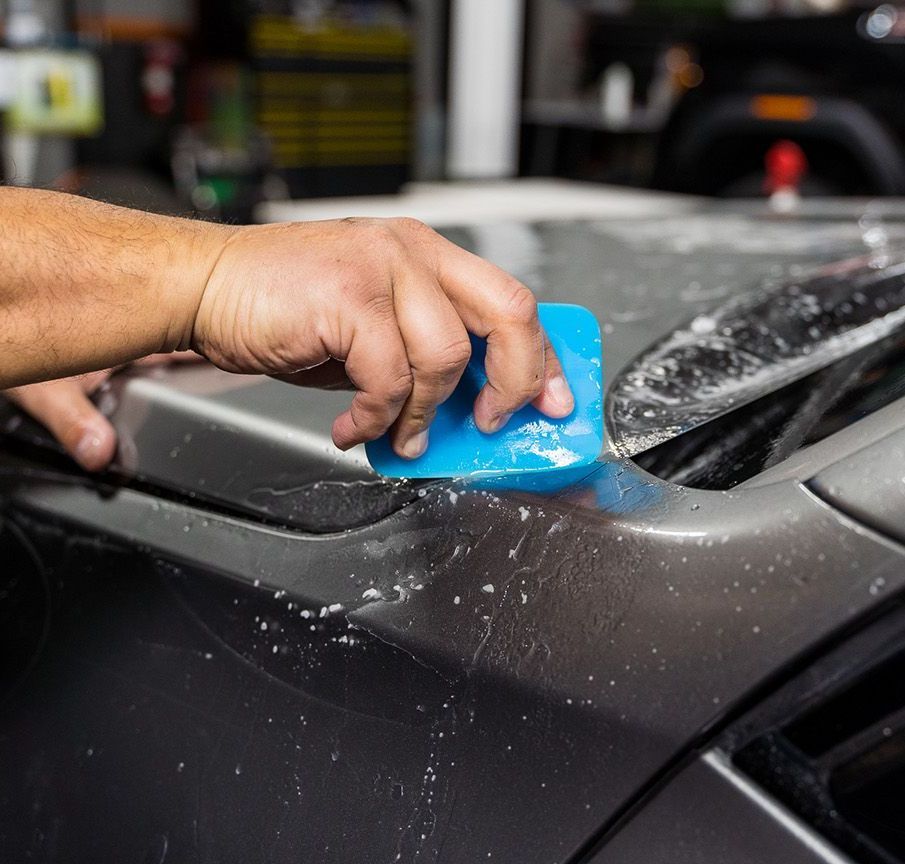
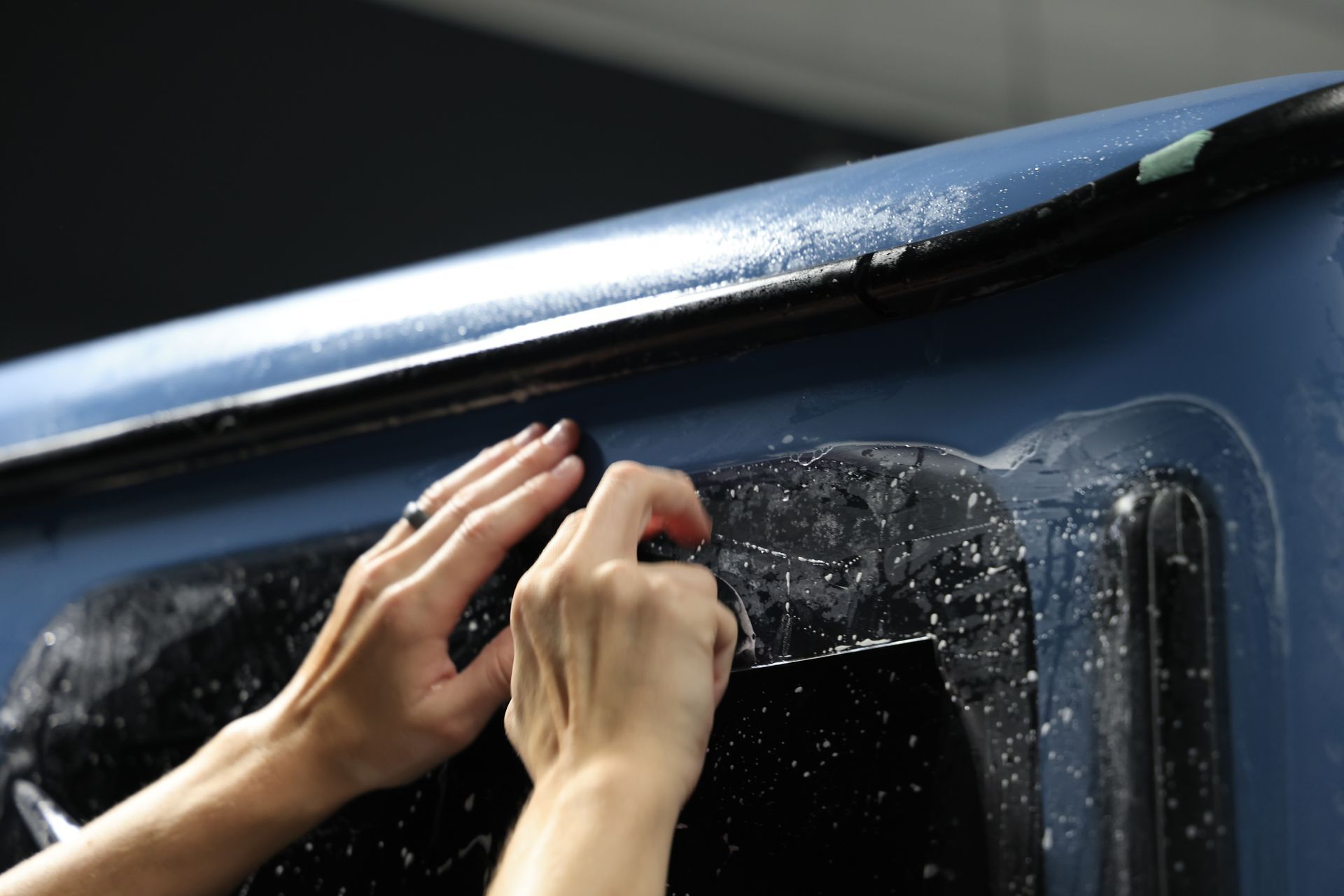
Paint protection film is a transparent urethane material applied to the painted surfaces of your vehicle. Think of it as a heavy-duty screen protector for your car, placing a physical layer between the covered finish and certain sources of damage.
When small rocks, gravel, or other road debris strike a protected area, the film absorbs the impact instead of leaving the paint directly exposed. It also helps shield paint from bird droppings, bug acids, and tree sap. This makes PPF relevant to drivers concerned about recurring rock chips and everyday wear.
Clear film is optically clear and virtually invisible when installed correctly, so your vehicle keeps its existing color and overall appearance. Its purpose is to help preserve what is already underneath. For owners who want a different look, we also offer matte and color change PPF.
However, protection has limits. The film protects only the panels it covers, and it cannot prevent every type of damage. Panels outside the selected coverage remain exposed. Understanding these boundaries helps establish realistic expectations before installation.
What Self-Healing PPF Can and Cannot Do
Modern PPF has self-healing properties. The top layer of the film is designed to reform when exposed to heat, such as warmth from the sun or a warm engine, which causes light abrasions and swirl marks to disappear.
For owners who notice fine marks during routine use, this feature helps the protective surface maintain a smooth appearance. It does not repair chipped paint beneath the material or restore missing paint.
Deep cuts and substantial damage also fall outside what self-healing can reasonably address. A visible defect should be evaluated when its severity is unclear.
The practical benefit is straightforward: light swirls and scratches in the film can disappear with heat, without requiring paint correction underneath. Proper washing and ongoing care remain necessary.
Why Preventing Paint Damage Can Be More Cost-Effective
PPF involves an upfront expense, so its value should be considered alongside your vehicle’s condition, driving exposure, and ownership plans. Prevention can reduce some future repair needs, but savings depend on individual circumstances.
Repeated Touch-Ups Can Become an Ongoing Expense
An isolated chip may appear easy to address. When similar damage continues to develop, however, owners may face recurring touch-ups or eventually consider refinishing a panel.
Each response involves time, expense, and decisions about the desired result. Someone who wants to maintain a consistent finish may prefer to reduce the likelihood of damage rather than repeatedly manage its consequences.
Film takes the hits so your factory paint does not have to. That potential benefit is especially relevant when the same areas regularly encounter debris.
Preserving Factory Paint Supports Long-Term Ownership Goals
If your vehicle’s current finish already meets your expectations, protecting it early can be a sensible priority. PPF is ideal for a new car, but it can be installed on any vehicle.
With proper care, high-quality PPF can last 10 years. We use top-tier films that come with a manufacturer’s warranty against yellowing, cracking, peeling, or bubbling.
Owners planning to keep their vehicles for several years may value the appearance they enjoy throughout that period. The decision does not need to depend on a promised increase in resale price. A well-preserved factory finish contributes to pride of ownership, even when the financial return cannot be calculated precisely.
Removable Film Protects the Paint Underneath
If the film is ever damaged or you simply want to replace it, a professional can remove it safely without damaging the underlying paint.
This is the main financial argument for prevention: a removable barrier can take damage that would otherwise affect the original finish. It does not guarantee that installation will pay for itself or eliminate every future repair.
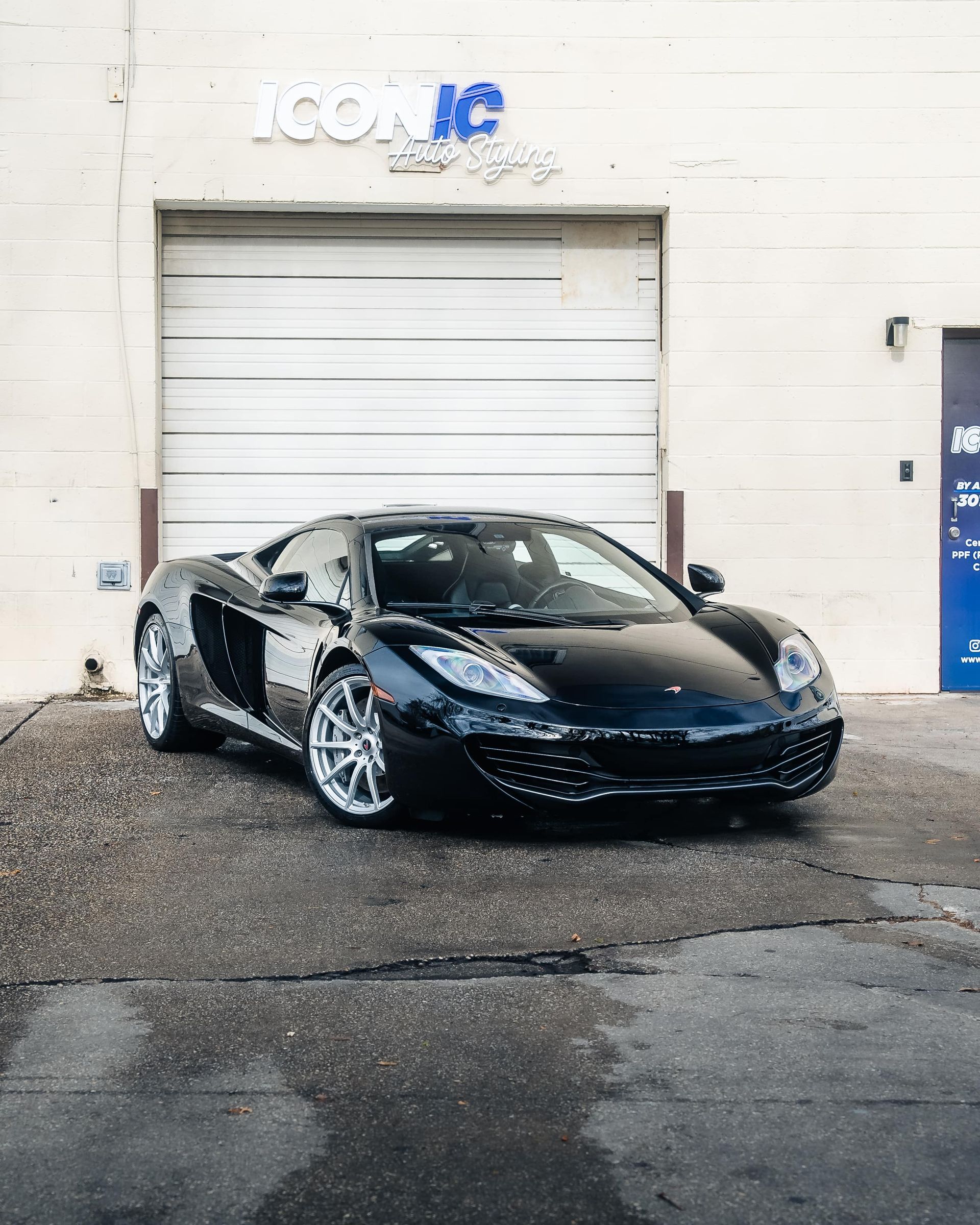
Choosing Coverage Around Your Driving Habits
The most useful coverage starts with how you use your vehicle. Your daily routes, exposure to debris, and ownership plans can help determine which areas deserve protection.
- Daily highway commuting: Our Full Front package is our most popular option for daily drivers and covers the areas that take the most abuse from road debris.
- Spirited or track driving: Our Track Package adds rocker panels and a partial rear bumper to the front-end coverage.
- Long-term ownership: Our Full Body package wraps every painted exterior surface in self-healing PPF for owners who want the broadest coverage.
- Vehicle condition: Have existing imperfections evaluated before installation so you understand what preparation may be appropriate.
Full Front includes the front bumper, full hood, mirrors, full front fenders, and headlights, with a turnaround of 2-3 days. The track package takes 3-4 days, and the full body takes 5-7 days. Windshield protection film is also available as an optional add-on.
Choosing among these options should involve a clear discussion about your vehicle, protection goals, and budget. Pricing is provided by quote, and the scope should reflect where coverage offers practical value.
Why Professional Installation Matters
Film selection is only one part of the decision. Preparation, placement, and attention to edges also affect the finished appearance. At Iconic Auto Styling, we are a solo operation, so every car gets undivided attention from start to finish. We are a licensed, insured, and certified shop.
Existing defects should be assessed before installation. Covering a damaged surface does not reverse the problem underneath. For vehicles with minor existing damage, we can perform paint correction before installation so the surface looks its best before it is protected.
Installation quality also influences how neatly the film follows your vehicle’s contours. We wrap edges wherever possible to hide them from view. On panels where wrapping is not feasible, the edge is so fine that it is nearly impossible to spot unless you look closely from just inches away.
Every quote we provide explains the surfaces being covered, any recommended preparation, and the care required afterward, so you know exactly what you are getting.
Maintaining Protection After Installation
PPF is simple to maintain, and a few habits help it keep its appearance.
- Wait before the first wash: We recommend waiting about a week after installation before washing your vehicle for the first time.
- Wash as usual: After that, you can wash your car just as you normally would.
- Keep pressure away from edges: Avoid using high-pressure washers too close to the edges of the film.
- Add a ceramic coating: PPF must be applied to clean paint, so a ceramic coating goes on top of the film. It makes the film easier to clean and adds gloss.
- Care for uncovered panels: Continue maintaining the entire exterior, including surfaces outside your selected coverage.
Consistent maintenance supports the protection you purchased. It also creates opportunities to notice changes before they become more difficult to address.
Is Paint Protection Film Right for Your Vehicle?
For drivers researching paint protection film in Rockville, MD, the decision should begin with actual use rather than broad promises.
Consider how often you drive, where debris tends to reach your vehicle, and how long you intend to keep it. An owner who regularly encounters highway traffic may have different priorities from someone who drives occasionally and stores the car most of the time.
Your expectations matter as well. If preserving the current finish is a priority, PPF provides a way to reduce certain risks before visible damage accumulates.
If the vehicle already has minor damage, we can explain what paint correction may be needed first.
Matching coverage to those circumstances helps make protection a purposeful investment.
Protect Your Finish Before Everyday Wear Adds Up
Road debris, gravel, and routine surface contact can gradually change the appearance of a vehicle you work hard to maintain. Addressing that exposure early can help reduce the need for some corrective work later.
PPF offers a physical barrier for selected surfaces, with the strongest results supported by suitable coverage, careful installation, and consistent maintenance. For Rockville owners who want to preserve their vehicle’s appearance, that combination provides a practical approach to long-term paint care.
Learn more about paint protection film at Iconic Auto Styling and
request a free, no-obligation quote for coverage suited to your vehicle!
Iconic Auto Styling Blog | Rockville, MD